Investment in Ascot Charolais Pays Off
For more than six decades, Yelarbon cattle farmer Geoff Donovan has watched seasons come and go across his property Aronui, about 50km east of Goondiwindi.
Mr Donovan said understanding these ebbs and flows have helped him adapt his cattle operation to changing markets, and some of the toughest droughts the district has ever experienced.
Returning to the farm in 1963 while in his teens, Mr Donovan worked alongside his father before eventually taking over the operation.
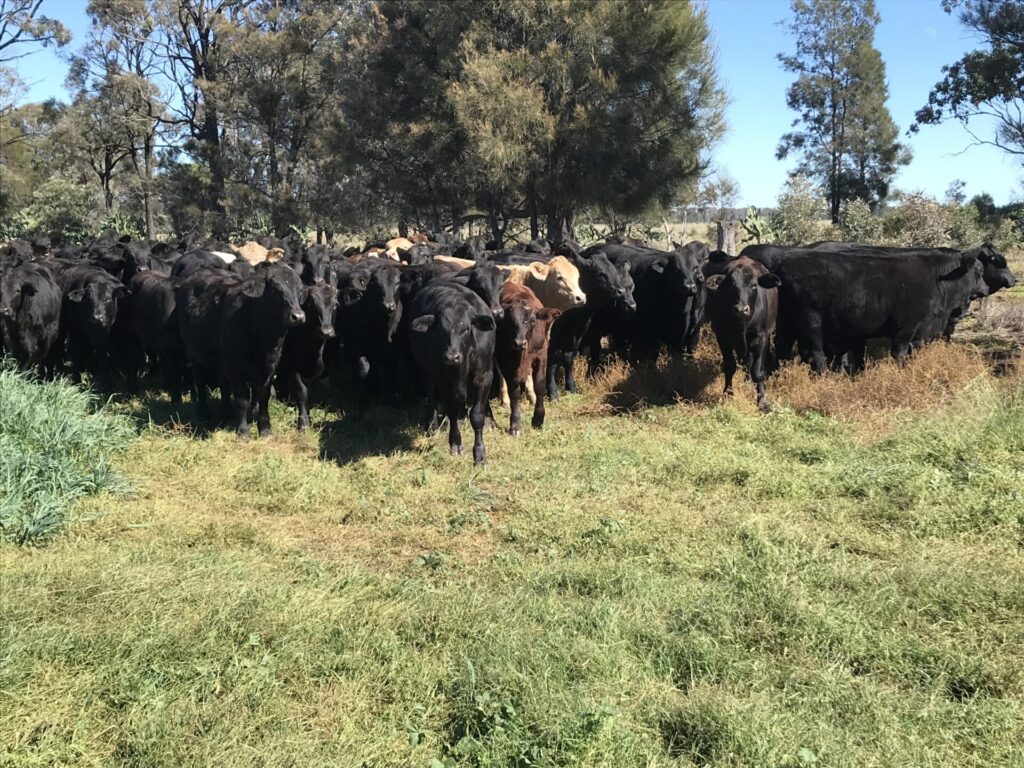
Aronui’s herd reflects decades of moving with market demands – originally running Herefords, Mr Donovan introduced Santa Gertrudis cattle in the 1960s and over the years, he has worked with Gelbvieh, Beefmaster, Shorthorns, Brahman and Angus cattle, before eventually incorporating Charolais.
The move toward the cream-coloured breed followed a devastating drought in 2018-19, which forced a significant herd reduction.
“We sold the cows down and then had to rebuild,” Mr Donovan said.
“When we started buying cattle again, Angus females were top of the market.
“Crossbred cattle appeared of better value and still gave you the opportunity to improve the next generation.”
That rebuilding phase led Mr Donovan to Ascot Angus and Charolais Stud, operated by Jim and Jackie Wedge at Warwick.
“The cattle are very well presented and it’s a very good setup.”
Initially contacting the Wedge family with the intention of purchasing Angus bulls, he was attracted to their Charolais offering, purchasing his first bull in 2020.
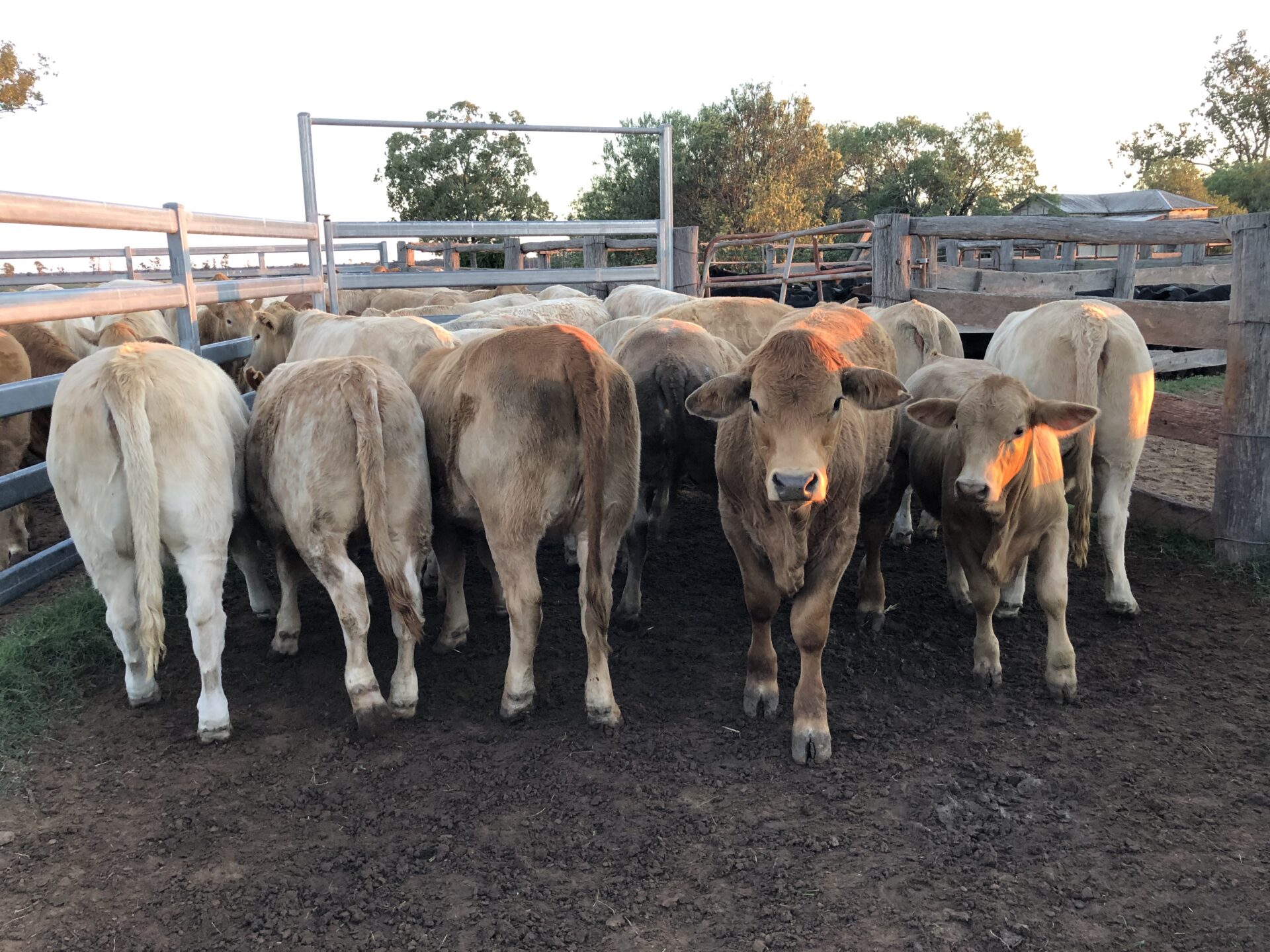
The results of that investment quickly paid off after he sold progeny through a special weaner sale at Dalby the following year, where he said a pen of Charolais-cross heifers won their class.
“I couldn’t believe it – I went over to look at the pen and there was a ribbon tied to it.”
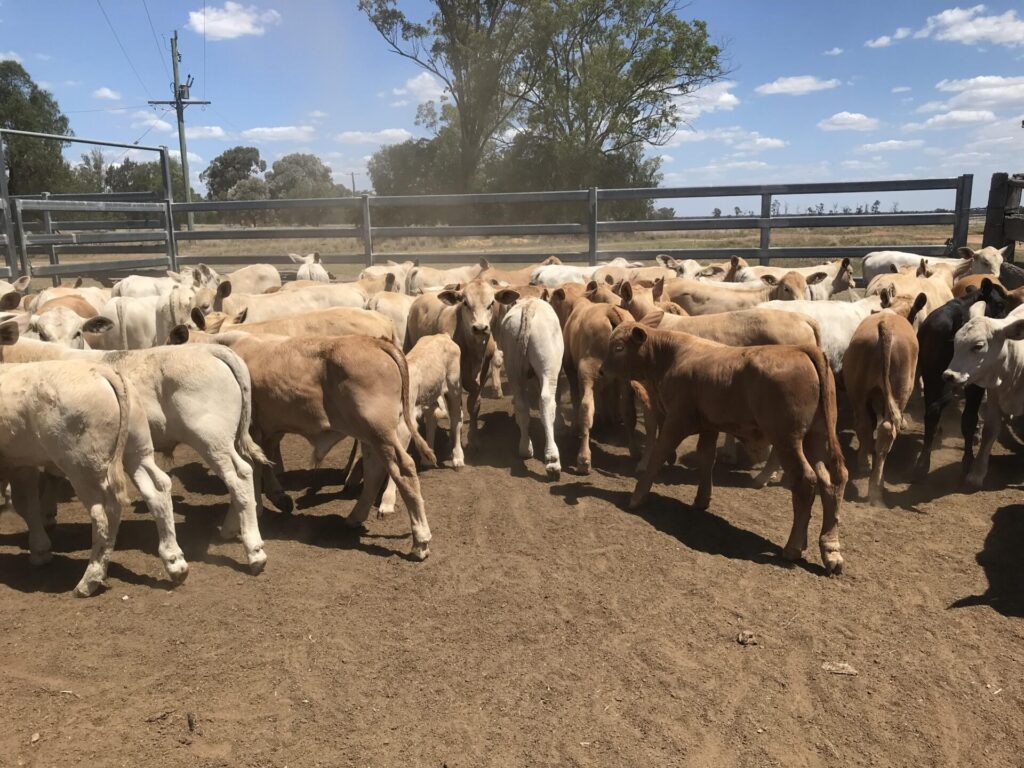
While Mr Donovan admits he was initially cautious about using Charolais, he believes decades of breeding has produced a more balanced animal than the heavily muscled cattle that first arrived in Australia.
“I thought they were a bit too bulky when I first saw them years ago,” he said.
“But the Ascot cattle are a different type of animal. They’re relatively early maturing, they have good cover and they’re not too bulky through the shoulders.”
Aronui sits on a mix of brigalow and what Mr Donovan describes as ‘melon-hole country’, historically carrying thick stands of brigalow and lime bush.
While much of the country has been developed over the years, he continues to balance grazing with forage cropping, dedicating around 450 hectares to oats and other feed crops that support both his breeding herd and trading cattle enterprise.
“We stopped growing grain about 15 years ago and now focus on growing forage crops for cattle,” he said.
Alongside his breeding operation, Mr Donovan regularly purchases Angus, Brahman and other crossbred weaner steers to grow out on oats, typically buying at between 250kg and 300kg, before selling them at around 450kg or more.
Today, Aronui’s breeding herd consists of a mix of Angus females and crossbred cows, with both Angus and Charolais bulls used across the operation.
Mr Donovan also acquired three Angus bulls from Ascot last year and continues to see value in combining the two breeds.
“The Angus and Charolais bulls have enhanced the product very much,” he said.
“If you put an Angus bull or a Charolais bull over those crossbred females, you’ll see an improvement in the progeny.”
He said Charolais provides growth and weight gain, while the Angus influence continues to deliver market acceptance and maternal performance.
“They’ve done quite well for me.”
While breed selection remains important, Mr Donovan believes management and seasonal conditions ultimately play the biggest role in success.
“All cattle are good if they’re well-bred and well-fed,” he said.
Like many producers, he continues to manage through variable seasons with a recent run of disappointing summers placing pressure on carrying capacity.
“We can run between 1000 and 1200 head, although numbers fluctuate depending on seasonal conditions and trading opportunities.”
After more than 60 years in the industry, Mr Donovan remains passionate about beef production and is keen to continue improving his herd.
“It’s about trying to make the best of what you have available to you.”